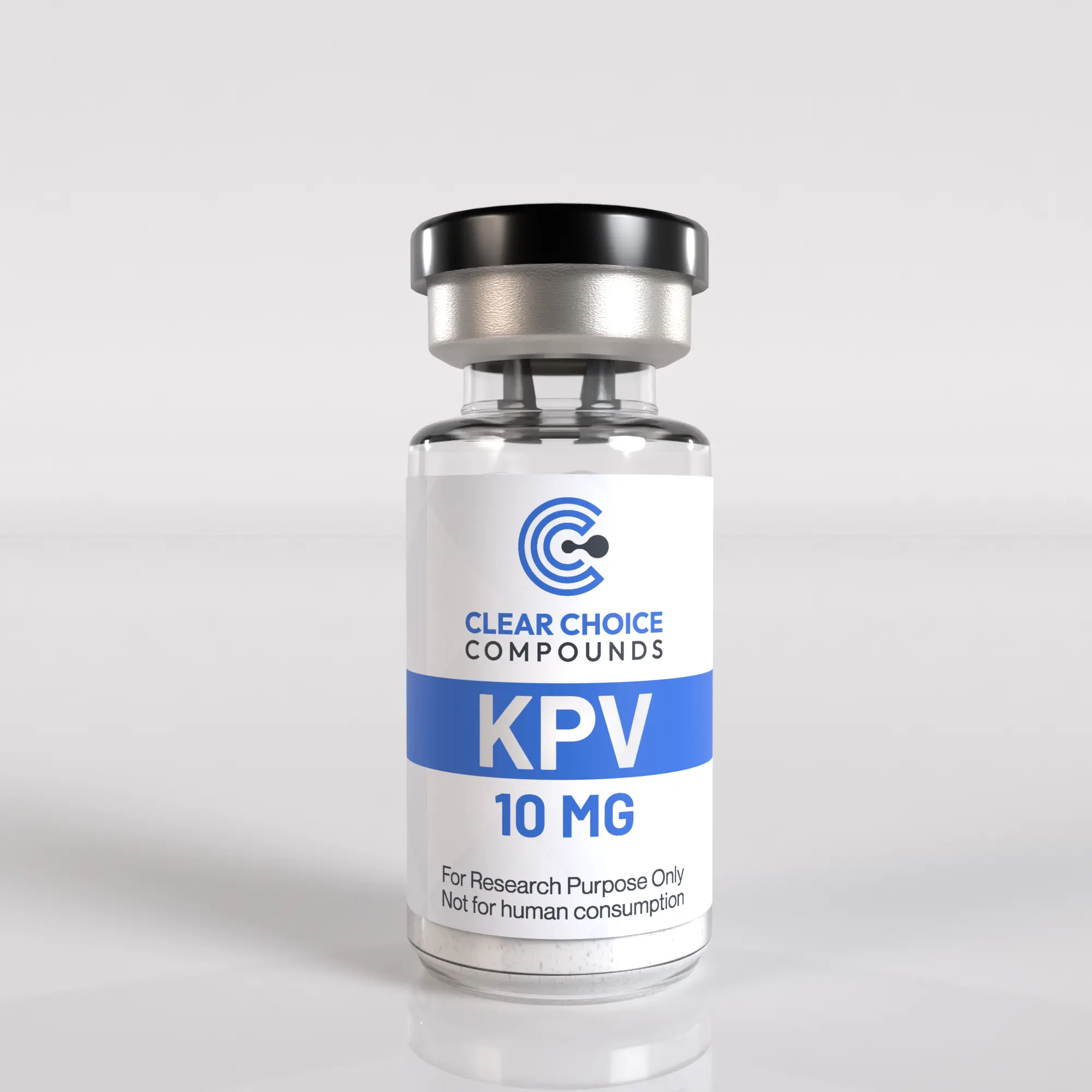
KPV
KPV is a synthetic peptide derived from the amino acid sequence of the human protein kininogen-1. This peptide sequence is investigated within the context of potential research applications involving cellular signaling pathways, particularly those associated with inflammation, vascular biology, and tissue response mechanisms. The peptide structure is synthesized for evaluation in preclinical and academic studies aimed at understanding its role in molecular interactions under controlled experimental conditions.
Research Context
The study of peptides such as KPV falls under the broader field of peptide biology, where natural and synthetic peptides are investigated for their functional roles in biological systems. KPV is notable for its sequence similarity to endogenous kinins, a class of peptides known for their roles in regulating blood pressure, inflammation, and vascular permeability. In research settings, peptides like KPV are often used as tools to explore mechanisms of action in models of physiological and pathological processes.
Research Overview
KPV is primarily utilized in research environments to investigate interactions within the complement system, coagulation pathways, and cytokine signaling cascades. Preclinical studies may explore its potential effects on:
- Vascular response and permeability
- Inflammatory mediator release
- Tissue repair and remodeling
These investigations are conducted in accordance with ethical guidelines and regulatory standards specific to the research community.
Key Research Focus Areas
- Complement Activation Studies: Evaluation of KPV’s potential impact on the complement cascade, including its influence on alternative pathway activation and the role of C3 convertases.
- Vascular Biology: Examination of peptide-mediated effects on endothelial function, blood vessel dilation, and permeability in experimental models.
- Inflammatory Responses: Investigation of KPV’s role in modulating cytokine production, such as tumor necrosis factor-alpha (TNF-α) and interleukin-6 (IL-6), in response to tissue injury or infection.
- Tissue Repair Mechanisms: Assessment of peptide-induced changes in extracellular matrix remodeling and fibrotic responses in wound healing models.
- Neuroinflammatory Pathways: Potential evaluation of KPV’s influence on microglial activation and neuroinflammatory processes in experimental neurological models.
It is important to note that KPV is not intended for human or animal therapeutic use. Its investigation is confined to research applications only, where it is utilized as a tool to probe specific biochemical and physiological processes under standardized laboratory conditions.
For research use only. Not for human or animal consumption.
| Size | 10MG, 30MG |
|---|


Reviews
There are no reviews yet.