All orders placed by 2pm EST will be shipped same day Free Shipping Over $150 Gift With Every Order All orders placed by 2pm EST will be shipped same day Free Shipping Over $150 Gift With Every Order

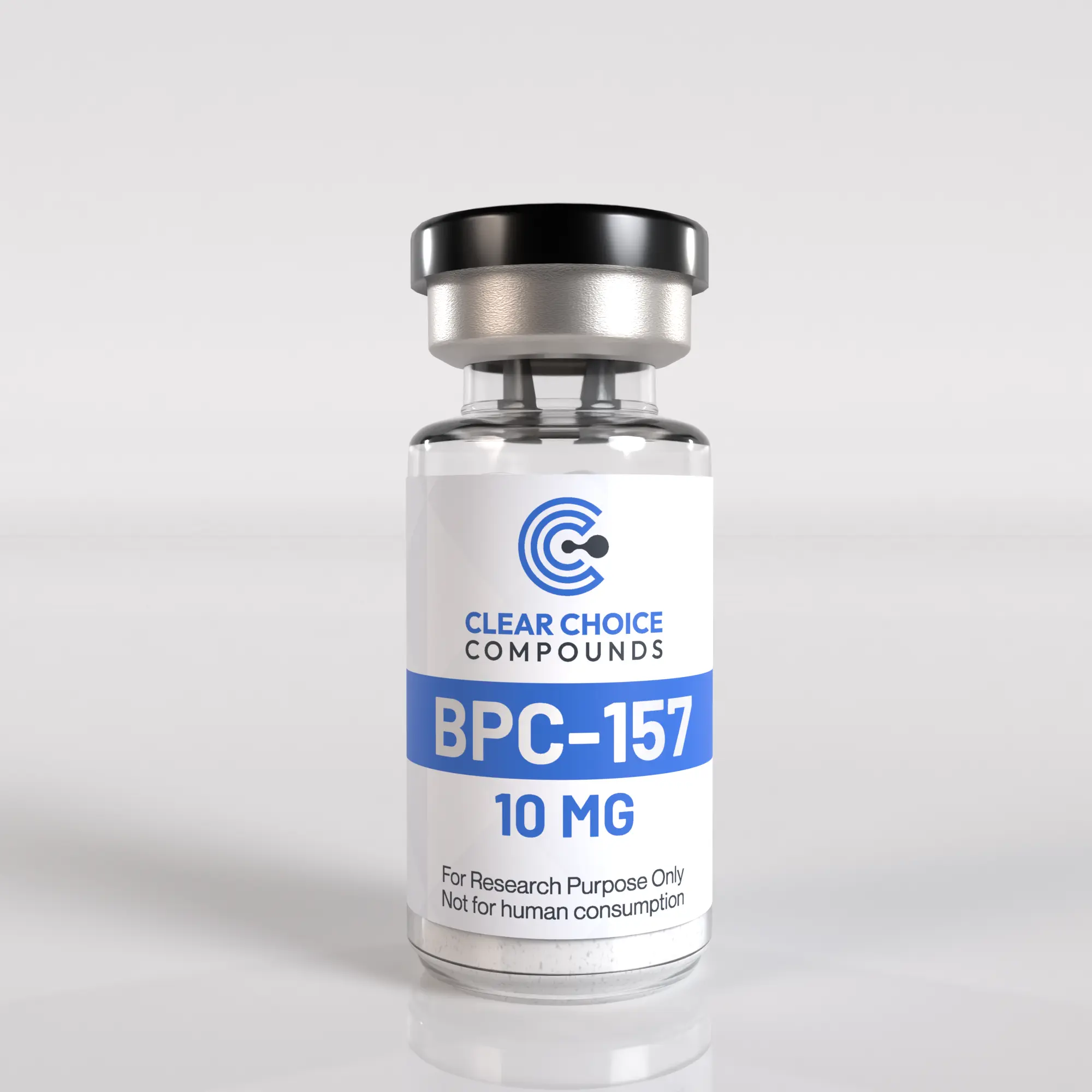
BPC-157 10MG

Categories:

BPC-157 10MG is a synthetic peptide under research for its potential biological effects in laboratory studies. This peptide is being explored for its potential roles in tissue repair mechanisms, though no medical or therapeutic claims are made. It is intended exclusively for use in controlled research environments. For research use only.

$45.00

ℹ️ RESEARCH USE ONLY

For research purposes only. Not for human or animal use & not FDA-approved. By purchasing, you confirm you are 21 or older and qualified researcher

BPC-157 10MG – Research-Use-Only Peptide

BPC-157 10MG

BPC-157 (Body Protecting Compound-157) is a synthetic peptide derived from the naturally occurring sequence of gastrin-17. This research-use-only peptide has been the subject of significant preclinical and emerging clinical exploration for its potential biological effects on tissue repair and regeneration mechanisms.

Research Context

BPC-157 was first identified in 2008 through a study investigating the effects of Helicobacter pylori-induced gastritis on gastric tissue repair. Since then, extensive preclinical research has examined its potential therapeutic properties in various models of injury and disease. Its proposed mechanisms include anti-inflammatory effects, stimulation of cellular repair pathways, and modulation of wound healing responses.

Research Overview

BPC-157 has been investigated primarily in animal models for its ability to enhance tissue healing across multiple biological systems. Key studies have focused on its efficacy in reducing inflammation, promoting regeneration of damaged tissues, and improving functional outcomes following injury. While human clinical data remains limited at this time, preclinical findings have demonstrated promising results in settings such as tendon and ligament repair, gastrointestinal healing, and post-surgical recovery.

Key Research Focus Areas

  • Tissue Repair and Regeneration: Exploration of BPC-157’s role in accelerating healing of soft tissue injuries, including tendons, ligaments, and cartilage.
  • Anti-Inflammatory Effects: Investigation into its modulation of inflammatory pathways in models of acute and chronic injury.
  • Gastrointestinal Healing: Study of its potential in improving recovery from ulcers, gastric lesions, and post-surgical complications in preclinical settings.
  • Neuroprotective and Regenerative Potential: Examination of its effects in models of spinal cord injury, stroke, and neurodegenerative disease progression.
  • Post-Surgical Recovery: Analysis of its impact on wound healing and functional outcomes in animal models undergoing significant surgical interventions.

Important Disclaimer

The information provided on this page is for research and educational purposes only. BPC-157 is not intended for human or animal therapeutic, diagnostic, or cosmetic use. This peptide is exclusively designated for academic or industrial research applications and should only be utilized under the supervision of qualified professionals in a controlled laboratory or clinical research setting. Always follow established protocols and safety measures applicable to peptide research materials. Results may vary between studies, and further investigation is required before any conclusions can be drawn regarding its potential efficacy or safety in clinical contexts.

For research use only. Not for human or animal consumption.

Reviews

There are no reviews yet.

Be the first to review “BPC-157 10MG”

Your email address will not be published. Required fields are marked *

BPC-157 10MG – Research-Use-Only Peptide

BPC-157 10MG

BPC-157 (Body Protecting Compound-157) is a synthetic peptide derived from the naturally occurring sequence of gastrin-17. This research-use-only peptide has been the subject of significant preclinical and emerging clinical exploration for its potential biological effects on tissue repair and regeneration mechanisms.

Research Context

BPC-157 was first identified in 2008 through a study investigating the effects of Helicobacter pylori-induced gastritis on gastric tissue repair. Since then, extensive preclinical research has examined its potential therapeutic properties in various models of injury and disease. Its proposed mechanisms include anti-inflammatory effects, stimulation of cellular repair pathways, and modulation of wound healing responses.

Research Overview

BPC-157 has been investigated primarily in animal models for its ability to enhance tissue healing across multiple biological systems. Key studies have focused on its efficacy in reducing inflammation, promoting regeneration of damaged tissues, and improving functional outcomes following injury. While human clinical data remains limited at this time, preclinical findings have demonstrated promising results in settings such as tendon and ligament repair, gastrointestinal healing, and post-surgical recovery.

Key Research Focus Areas

  • Tissue Repair and Regeneration: Exploration of BPC-157’s role in accelerating healing of soft tissue injuries, including tendons, ligaments, and cartilage.
  • Anti-Inflammatory Effects: Investigation into its modulation of inflammatory pathways in models of acute and chronic injury.
  • Gastrointestinal Healing: Study of its potential in improving recovery from ulcers, gastric lesions, and post-surgical complications in preclinical settings.
  • Neuroprotective and Regenerative Potential: Examination of its effects in models of spinal cord injury, stroke, and neurodegenerative disease progression.
  • Post-Surgical Recovery: Analysis of its impact on wound healing and functional outcomes in animal models undergoing significant surgical interventions.

Important Disclaimer

The information provided on this page is for research and educational purposes only. BPC-157 is not intended for human or animal therapeutic, diagnostic, or cosmetic use. This peptide is exclusively designated for academic or industrial research applications and should only be utilized under the supervision of qualified professionals in a controlled laboratory or clinical research setting. Always follow established protocols and safety measures applicable to peptide research materials. Results may vary between studies, and further investigation is required before any conclusions can be drawn regarding its potential efficacy or safety in clinical contexts.

For research use only. Not for human or animal consumption.
Related Products

Age Verification!

*By continuing, you confirm eligibility and legal compliance.