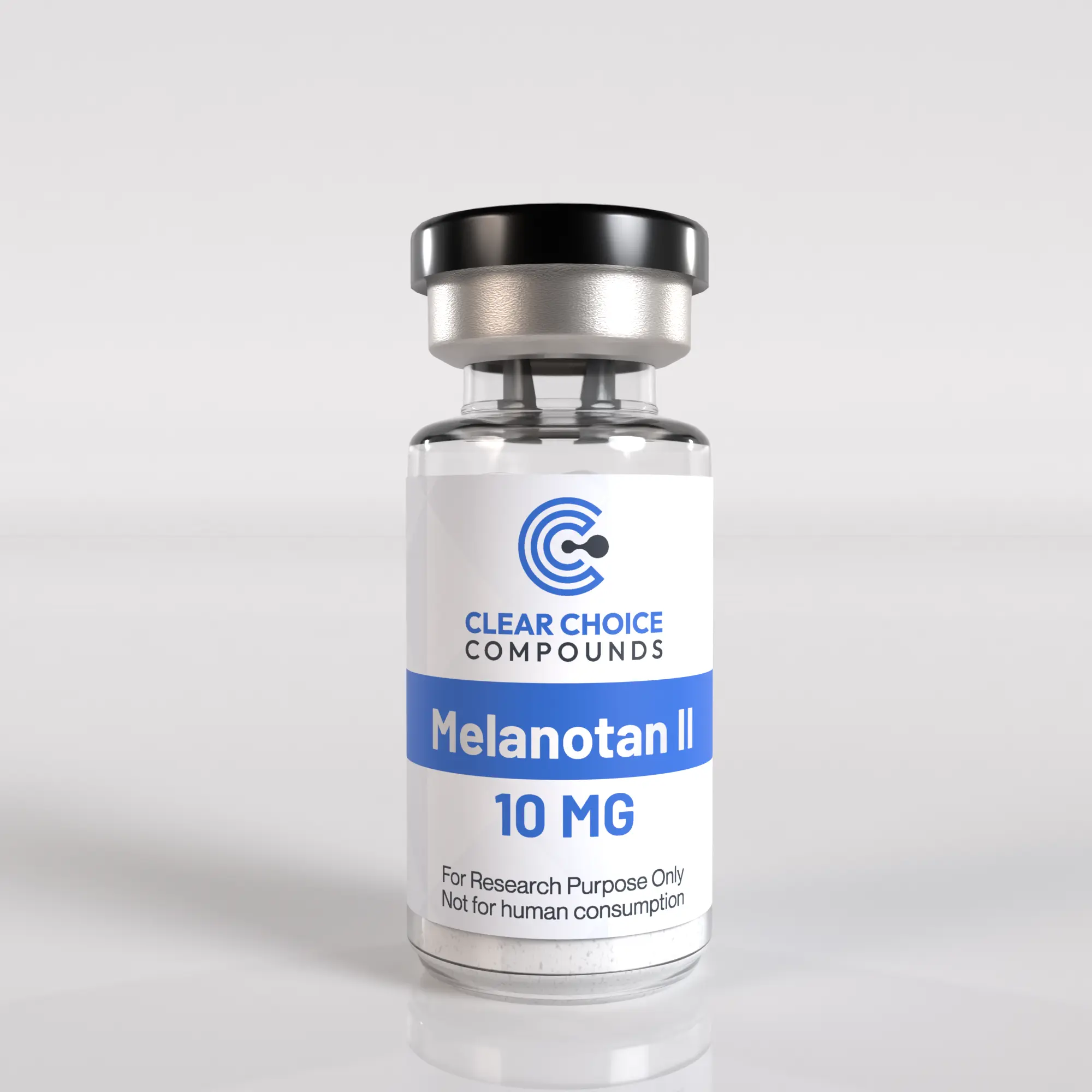
Melanotan II (MT-II) 10MG
Melanotan II (MT-II) is a synthetic peptide derived from the melanocyte-stimulating hormone (MSH) family, originally developed for its potential biological effects on skin pigmentation and related research applications. This compound is intended exclusively for research purposes within a controlled academic or industrial setting.
Research Context
Melanotan II was first synthesized in the late 1990s as part of a broader effort to explore the physiological and pharmacological properties of melanocortin peptides. Unlike its predecessor, Melanotan I, MT-II was designed to exhibit distinct and varied effects, particularly in the study of melanocyte function, tanning responses, and potential neuroendocrine interactions. Research has primarily focused on its role in pigmentation mechanisms, endocrine modulation, and its potential as a tool for studying melanocortin receptor signaling pathways.
Research Overview
MT-II has been investigated in preclinical studies for its ability to induce skin darkening through activation of melanocortin-1 receptors (MC1R). Early studies highlighted its potential use in dermatological research, including the investigation of skin photoprotection mechanisms, melanin synthesis pathways, and the effects of melanocortin signaling on epidermal morphology. Additionally, MT-II has been explored in the context of its neuroendocrine effects, such as interactions with the hypothalamic-pituitary axis and potential implications for mood and behavior. However, due to its short half-life and potential for unwanted systemic effects, MT-II has not yet transitioned into clinical applications.
Key Research Focus Areas
- Melanocyte Function and Pigmentation: MT-II’s role in activating MC1R to stimulate melanin production and skin darkening has been a primary area of investigation, particularly in studies of skin photoprotection and melanogenesis.
- Endocrine and Neuroendocrine Interactions: Research has explored the peptide’s potential effects on the hypothalamic-pituitary axis, including its influence on hormone secretion and feedback mechanisms.
- Pharmacological Profile and Receptor Binding: Studies have characterized the binding affinity and specificity of MT-II toward melanocortin receptors, providing insights into its mechanism of action and potential off-target effects.
- Preclinical Toxicology and Safety: Preclinical research has assessed the safety profile of MT-II, including its systemic distribution, metabolic clearance, and potential for toxicity in animal models.
- Comparative Analysis with Melanotan I: MT-II has been compared to Melanotan I in terms of efficacy, duration of action, and side-effect profiles, contributing to a clearer understanding of its distinct pharmacological properties.
Important Safety and Compliance Note
This peptide is intended solely for use in academic, research, or industrial settings under the supervision of qualified personnel. Due to its potential for systemic effects and lack of regulatory approval for human or animal use, improper handling or administration may result in adverse outcomes. Always adhere to established protocols for peptide synthesis, storage, and disposal to minimize risks.
For research use only. Not for human or animal consumption.



Reviews
There are no reviews yet.